How to Dress a Baby for Sleep
Following safe sleep guidelines and dressing your baby in appropriate layers helps maintain comfort and reduces the risk of overheating or chilling.

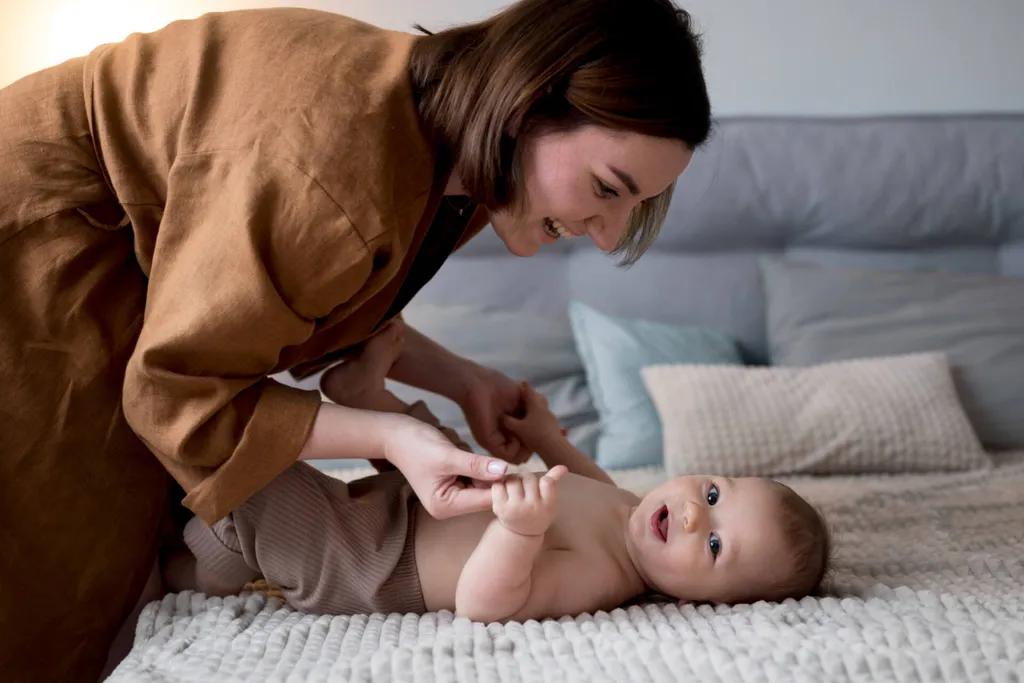
Knowing how to dress your baby for sleep can be confusing. It’s normal to worry about whether they’re too hot or too cold. Babies can’t tell us, and even small discomforts can make it hard for them to rest.
Sleep is super important for our little ones because it helps them grow, stay healthy, and wake up happy. Things like the room temperature, the season, and the type of clothing all play a role in keeping your baby at ease.
This article will guide you in dressing your baby safely and comfortably, so they (and you) can enjoy better rest!
Safety First
Keeping your baby safe during sleep is the most important thing.
According to pediatric sleep safety guidelines, including recommendations from the American Academy of Pediatrics (AAP), babies should always sleep on their backs on a firm, flat surface, without loose blankets, pillows, or stuffed animals in the crib (1).
Follow these tips closely when arranging their sleep area to protect them and stay reassured.
What to Consider Before Dressing Your Baby for Sleep
Before you pick out sleepwear for your baby, it helps to think about a few key factors. These basics form the foundation for safe and quality sleep. Things like the room temperature, the season, your baby’s age, and the materials of their sleepwear can make a big difference.
Room temperature
The temperature of your baby’s sleep space is one of the most important things to consider.
Being too hot can increase the risk of overheating, which is linked to Sudden Infant Death Syndrome (SIDS) and can cause dehydration or discomfort (2).
Being too cold can make it harder for your baby to maintain a stable body temperature, which may lead to restless sleep or stress.
Some studies suggest keeping the room around 68–72°F (20–22°C) (3). A simple way to check is by feeling your baby’s neck or tummy. If they’re sweaty or cool to the touch, it’s a sign their environment may need adjusting.
Season and climate
The time of year and the climate where you live make a big difference in how you dress your baby for sleep. In hot, humid climates or during summer months, lightweight, breathable fabrics help prevent overheating. In cooler seasons, layering can keep your baby cozy without making them too warm.
Baby’s age
Your baby’s age affects how well they can regulate body temperature. Newborns have a harder time staying warm and may need slightly more coverage, while older babies can often sleep comfortably in lighter layers.
When a baby gets too cold, their body uses extra energy and oxygen to generate warmth. In fact, if their skin temperature drops just 1°F (0.5°C) from the ideal 97.7°F (36.5°C), their oxygen use can increase by about 10% (4).
Sleepwear materials
The fabric of your baby’s sleepwear is just as important as the temperature. Soft, breathable materials like cotton allow air to circulate and reduce the risk of overheating. Avoid thick, non-breathable fabrics or loose layers that could trap heat or pose a suffocation risk.
How to Dress a Baby for Sleep During Summer
During hot summer months, keeping your baby cool is the top priority. Lightweight, breathable fabrics are essential.
A swaddle made from a thin cotton or muslin material can be used for younger babies who still benefit from the gentle security of swaddling, but make sure it’s loose around the hips and not too tight.
For babies who have started rolling over, it’s safer to switch to a lightweight sleep sack. Sleep sacks allow free movement of arms and legs while reducing the risk of loose blankets in the crib.
Older babies can often wear a simple short-sleeved sleep suit or romper, which keeps them comfortable without overheating.
Always check your baby’s neck and back for sweat or dampness to make sure they’re not too hot.
How to Dress a Baby for Sleep During Spring and Fall
In spring and fall, temperatures can fluctuate, so layering is key. A swaddle or lightweight sleep sack works well for younger babies in cooler nights, while still allowing flexibility if the day warms up.
For older babies, a long-sleeved sleep suit made from breathable cotton or bamboo fabric can be paired with a sleep sack if extra warmth is needed.
You can also use a sleep sack with adjustable TOG ratings, so you can swap for a lighter or heavier option as the season changes.
How to Dress a Baby for Sleep During Winter
Winter calls for warmer, layered sleepwear to keep your baby comfortable. For newborns, a snug swaddle or medium-weight sleep sack made of cotton or fleece provides warmth while allowing safe movement.
Older babies can wear a long-sleeved sleep suit under a sleep sack with appropriate TOG rating for the temperature. Avoid hats or loose blankets in the crib, as they can pose safety risks.
Tip: Keep the room at a steady temperature around 68–72°F (20–22°C) and use a thermometer if necessary. If the baby is very young, sick, or premature, check their hands, feet, and neck to ensure they’re warm but not sweaty.
You may also like: Recognizing Your Baby's Sleep Cues
TOG Ratings for Baby Sleepwear
TOG stands for Thermal Overall Grade, which is a way to measure how warm a piece of sleepwear will keep your baby. It’s a handy tool for parents because it helps you decide how many layers your baby needs depending on the room temperature and the season.
The higher the TOG, the warmer the sleepwear; the lower the TOG, the lighter and cooler it is.
Here’s a TOG-to-room temperature guide:
| Room Temperature (°F / °C) | TOG Rating | Sleepwear Example |
|---|---|---|
| Above 80°F (27°C+) | 0.2 TOG | Very lightweight sleep sack or just diaper (very hot) |
| 74–79°F (23–26°C) | 0.5 TOG | Lightweight cotton sleep suit or short-sleeved sleep sack |
| 69–73°F (20–23°C) | 1.0 TOG | Cotton sleep sack or long-sleeve bodysuit |
| 61–68°F (16–20°C) | 2.5 TOG | Medium-weight sleep sack or layered sleep suits |
| 50–60°F (10–15°C) | 3.5 TOG | Heavier sleep sack, long-sleeve sleep suit, extra layering |
The American Academy of Pediatrics recommends that healthcare professionals not only tell parents about safe sleep but also demonstrate it by creating safe sleeping environments in hospitals (5).
Mistakes to Avoid When Dressing a Baby for Sleep
Overdressing is one of the most common mistakes parents make, and it means putting on too many layers or heavy clothing because you worry your baby might be cold. This can actually cause overheating, which is linked to a higher risk of sudden infant death syndrome (SIDS). Instead, choose light, breathable layers and keep the room around 68–72°F (20–22°C).
Another mistake is using loose blankets or bedding. While blankets may seem comforting, they can easily cover a baby’s face or tangle around their body, creating a risk of suffocation. A sleep sack or wearable blanket is a safer way to keep your baby warm without the danger of loose bedding.
Parents sometimes also dress babies in outfits with buttons, zippers, or decorations. These can irritate your baby or pose a choking hazard if small pieces come loose. Simple, soft sleepers with minimal extras are the safest choice.
Finally, ignoring your baby’s cues is a common misstep. Babies have individual needs—some get cold easily, while others may be perfectly comfortable with lighter clothing. Check your baby’s neck or tummy: if it’s sweaty or hot, remove a layer; if it feels cool, add one.
More than anything, observing and responding to your baby’s cues is what matters most.
The Takeaway
Dressing your baby for sleep doesn’t have to be complicated. The goal is to keep them safe, comfortable, and at a steady temperature throughout the night. Safe sleep is all about finding that gentle balance between warmth and breathability so your little one can rest peacefully — and you can, too.
FAQs
How do I know if my baby is too hot or too cold while sleeping?
Touch your baby’s neck, chest, or tummy (not their hands or feet, which can feel cooler). If their skin feels sweaty, damp, or flushed, they’re likely too warm. If their skin feels cool to the touch, especially around the torso, they’re probably a bit cold.
Can my baby sleep in just a diaper during hot weather?
Yes, if it’s extremely warm — above 80°F (27°C) — a diaper alone can be enough, as long as the room is safe and comfortably ventilated. You can also use a very lightweight (0.2 TOG) sleep sack if you want to provide a little coverage without trapping heat.
What’s the ideal room temperature for a baby to sleep in?
Experts generally recommend keeping the nursery between 68–72°F (20–22°C). This range helps your baby maintain a healthy body temperature without overheating or getting chilled. Using a room thermometer can help you stay within this safe zone.


