Can Babies Sleep with a Pacifier? Here’s What Experts Say
Using a pacifier is safe for most babies during naps and bedtime as long as proper sleep safety is observed and weaning happens by toddlerhood.

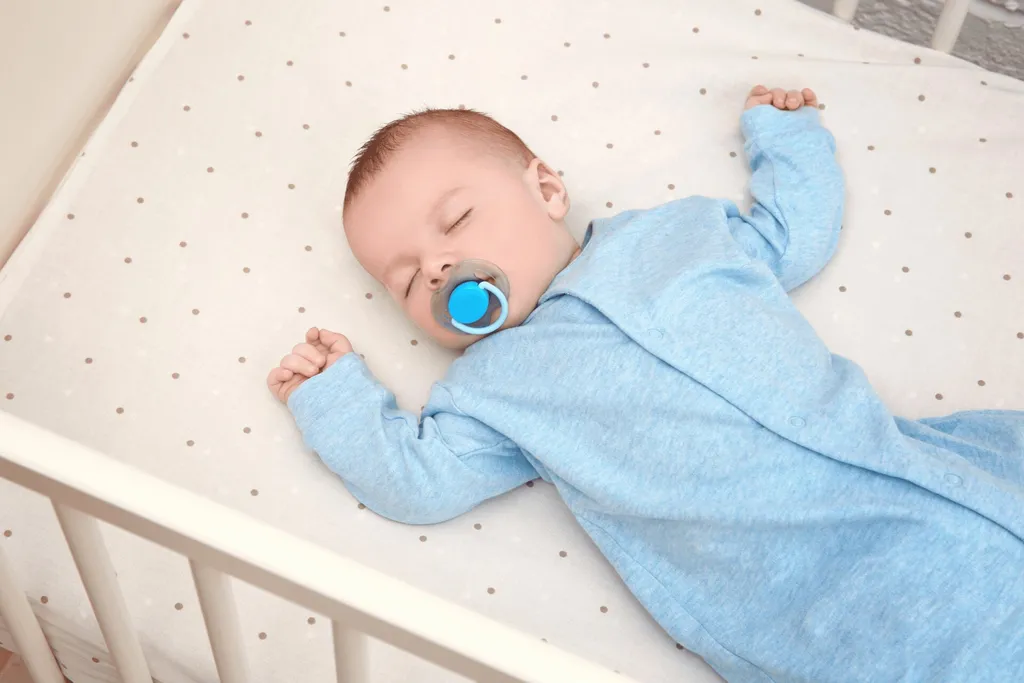
Key Takeaways:
- Sleeping with a pacifier is typically safe for babies, provided they are on their back on a secure, flat mattress.
- Pacifiers can soothe babies, support sleep, and reduce SIDS risk, but overuse may lead to dependence, dental issues, or a slightly higher risk of ear infections.
- Choose the right pacifier, keep it clean, never tie it to your baby, and follow safe sleep practices to minimize risks.
Pacifiers are one of those baby items that almost every new parent is curious about. You may have heard wonderful things about them — how they can calm a fussy baby, help with sleep. At the same time, it’s normal to wonder if they’re truly safe, especially during sleep.
When our son was born, some of our friends talked about dealing with fussiness and mentioned using a pacifier to help soothe their babies. Sure, their experiences were helpful, but we still wanted to do our own research to understand pacifier use better.
In this guide, we’ll find out what experts say about babies sleeping with a pacifier, when it’s okay to introduce one, the possible benefits and drawbacks, and simple safety tips. We’ll also answer common questions parents have.
Can Babies Sleep with a Pacifier in Their Mouth?
Yes, in most cases, babies can safely sleep with a pacifier in their mouth. Many child health experts say it’s okay to offer a pacifier at nap time and bedtime, as long as your baby is placed on their back on a firm, safe sleep surface.
Experts, including the American Academy of Pediatrics, have found that using a pacifier during sleep may help lower the risk of Sudden Infant Death Syndrome (SIDS).
While experts aren’t exactly sure why this happens, they believe pacifiers may help babies wake up more easily or keep their airways more open [*].
When Can Babies Start Sleeping with a Pacifier?
In general, it’s okay for babies to sleep with a pacifier (even as newborns) but there are a few important nuances to keep in mind.
According to the American Academy of Pediatrics (AAP), parents who are breastfeeding may want to wait until breastfeeding is well established before introducing a pacifier. This usually happens around 3 to 4 weeks of age [*].
The reason for this timing is to help avoid nipple confusion, which can sometimes make it harder for babies to latch or feed effectively in the early weeks.
For bottle-fed babies, a pacifier can be introduced at any time, including during the newborn period, since there is no concern about interfering with breastfeeding.
As always, pacifier use should be optional, not forced, and every baby is different. Some babies find pacifiers soothing right away, while others may not be interested at all.
Benefits
There are also clear advantages to offering a pacifier, especially if your baby seems interested in using one. In fact, some of these benefits are ones many new parents really appreciate, particularly during those times when it’s hard to soothe your baby.
May reduce the risk of SIDS
Sudden Infant Death Syndrome (SIDS) refers to the unexpected death of a baby under one year of age that cannot be explained.
While the exact cause is still unknown, studies have found that babies who use a pacifier during sleep tend to have a lower risk. Researchers think this may be because pacifiers can influence how deeply a baby sleeps or help support breathing during rest.
Helps babies self-soothe
A pacifier can give your baby a simple way to soothe themselves when they’re feeling unsettled, overtired, or adjusting to sleep. This can mean fewer tears and a smoother wind-down routine, especially during those early months.
May improve sleep for some babies
Not every baby responds the same way, but some sleep more peacefully with a pacifier. It can provide comfort at bedtime and help with resettling during the night. You may notice this benefit if your baby seems calmer when sucking on the pacifier.
If your baby consistently spits it out or becomes more upset, a pacifier may simply not be helpful, and that’s okay too.
Downsides
To clarify, pacifiers aren’t harmful in and of themselves, and many babies use them without any problems. However, like many baby tools, how and how long a pacifier is used can matter.
In certain situations, such as improper use or continued use beyond the recommended age, pacifiers may come with a few downsides worth keeping in mind.
Pacifier dependence
Some babies learn to fall asleep with a pacifier and may wake when it falls out. When this happens, they might struggle to settle without help, which can lead to more disrupted sleep.
A pacifier can also become a sleep association, meaning a baby expects it each time they fall asleep. This isn’t harmful, but it can be challenging until a baby learns to replace the pacifier independently or no longer needs it.
Possible dental issues
The long-term use of pacifiers can sometimes affect dental development. Most concerns arise when they are used beyond the toddler years, typically after age 2 to 3.
Prolonged sucking can occasionally influence the shape of the teeth or jaw, such as causing the front teeth to tilt, bite changes, or other alignment issues.
Research looking at multiple studies found that babies and young children who used pacifiers frequently or for a long time were more likely to develop dental problems like open bites, crossbites, and overjet (where the top teeth stick out) [*].
The longer and more intensely the pacifier was used, especially past age 3, the higher the risk of changes that might require dental treatment.
For this reason, it’s a good idea to start weaning your child from the pacifier around 12 months and aim to be done by 18 months [*].
Ear infections risk
Using a pacifier has been linked to a slightly higher chance of ear infections (acute otitis media), especially in children over 12 months.
Researchers believe that sucking on a pacifier may allow small amounts of fluid or bacteria to move from the mouth or throat into the middle ear, which would raise the risk of infection.
The risk tends to be higher with frequent or prolonged use, particularly if the pacifier is used throughout the day rather than just for sleep.
Breastfeeding challenges
Some babies may experience nipple confusion, which happens when they have difficulty latching properly after getting used to sucking on a pacifier. For this reason, many experts advise waiting until your baby has a consistent breastfeeding pattern before offering a pacifier.
In most cases, once breastfeeding routines are consistent, pacifiers generally don’t interfere with feeding. The key is to use the pacifier as a tool for comfort, rather than a substitute for feeding.
Safety Tips
A little extra care can go a long way. Keeping a few simple safety tips in mind can help your baby enjoy the comfort of a pacifier without unnecessary risks:
Safety first
Never tie a pacifier to a crib, blanket, or your baby’s clothing, as this can create a strangulation hazard. Always lay your baby on their back to sleep, on a firm mattress, and keep the sleep area free of loose blankets, pillows, or toys.
Use the right pacifier
Look for one that is age-appropriate, made from BPA-free materials, and designed for your baby’s mouth size.
For newborns, small, soft pacifiers are usually best, as they are easier for tiny mouths to latch onto.
We love the Hevea Pacifier for Newborns (0+ months). It’s made from 100% natural rubber, which makes it especially gentle on your baby’s lips and face. Its symmetrical teat shape is a great option for newborns and can be particularly helpful for preemies.
Another solid choice for newborns through 6 months is the MAM Pacifier. According to the brand, its nipple is 60% thinner and four times more flexible than traditional pacifiers.
If you’re breastfeeding, consider a pacifier designed specifically for breastfed babies, with a flatter shape that mimics the nipple and can help prevent nipple confusion. You might love Tommee Tippee’s unique Breast-Like Soother.
Some babies also benefit from pacifiers designed to relieve gas or colic, which can help reduce fussiness and promote easier sleep. Tommee Tippee offers an Advanced Anti-Colic Fussy Baby Bottle & Pacifier Set, which is designed to reduce air intake and support more comfortable feeding.
Don’t force it
Not every baby will take to a pacifier right away, and that’s perfectly normal. Offer it when your baby seems interested, but don’t insist or force it into their mouth.
Forcing a pacifier can create frustration for both you and your baby and may make them resist it altogether. Let your little one decide when they want to use it.
Keep it clean
Wash or sterilize pacifiers regularly, especially after they fall on the floor or come into contact with surfaces. Inspect them often for cracks or tears, which can harbor bacteria or pose a choking hazard, and replace worn pacifiers promptly.
Replace it when needed
Look for signs that it’s time to replace a pacifier, such as cracks, tears, sticky or discolored silicone, or a loose nipple. Even small wear and tear can create a choking hazard or make the pacifier less comfortable for your baby.
How to Introduce a Pacifier
First and foremost, make sure you choose a pacifier with a design and size that fits your baby’s age and mouth comfortably. Once you have the right pacifier, there are a few simple steps you can follow to help your baby accept it:
- Offer it when your baby is calm: Try giving the pacifier when your baby is relaxed, not when they are extremely fussy or crying. Introduce it during naps, bedtime, or quiet moments rather than during active play. This can make them more willing to take it.
- Guide, don’t force: Place the pacifier near your baby’s mouth and let them latch on at their own pace. Forcing it can only create resistance.
- Use short practice sessions: Let your baby explore the pacifier in small intervals. This can help them get used to the shape and feel.
- Be patient: Some babies accept a pacifier right away, while others take a few tries. Give your baby time and keep a relaxed approach.
How to Stop Pacifier Use at Sleep Time (When Ready)
You may notice your baby is ready when they show less interest in the pacifier, fall asleep easily without it, or simply play with it less during the day.
When you’re ready to start, choose a time that isn’t already filled with big changes, such as starting daycare or moving to a new home, to make the adjustment smoother.
Begin by gradually reducing pacifier use, like limiting it to bedtime only, and slowly shortening the time they have it during sleep.
Offering other forms of comfort can help ease the transition. Gentle rocking, soft pats, or a favorite blanket can give your baby the reassurance they need while learning to fall asleep without the pacifier.
Consistency is key. Stick with the plan even if your baby protests at first, as repeated practice helps them adjust more quickly.
The Takeaway
Pacifiers can be a helpful tool for soothing babies, supporting sleep, and even reducing the risk of SIDS. The key is to use them thoughtfully to avoid overdependence or dental issues.
Long-term challenges can be prevented as long as pacifier use is limited to appropriate times and the right pacifier is chosen.
If you have any concerns about pacifier use, your pediatrician can provide personalized advice and help you create a plan that works for your baby.
FAQs
What if the pacifier falls out?
It’s perfectly normal for a pacifier to fall out during sleep. Most babies will either find it themselves or self-soothe without it. You don’t need to put it back in if your baby is already sleeping safely on their back.
Should I take the pacifier out after the baby falls asleep?
No — there’s no need to remove the pacifier once your baby is asleep. Studies show that it is safe for babies to sleep with a pacifier in their mouth, and removing it can actually interrupt sleep.


