Recognizing Your Baby's Sleep Cues
Your baby’s sleep cues are their way of asking for rest. By noticing them early, you can support healthier sleep.

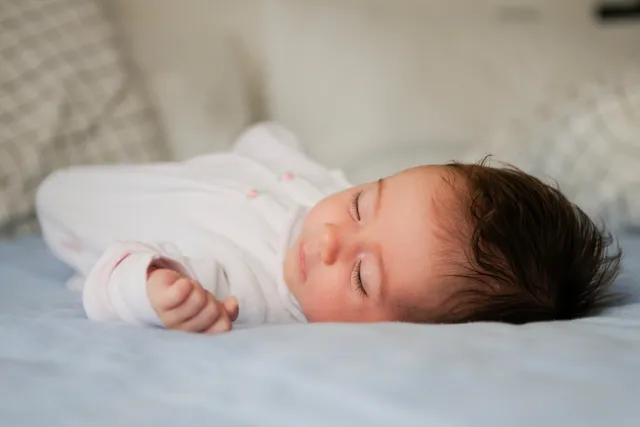
Figuring out what your baby is trying to tell you can feel overwhelming, especially when it comes to sleep. One moment, your baby seems content, and the next, they’re fussy, rubbing their eyes, or turning their head away. Is it hunger? Overstimulation? Overtiredness?
When you’re running on little sleep yourself, interpreting these behaviors can feel like a guessing game. Sleep is essential for your baby’s growth and brain development, yet many sleep cues are subtle and easy to miss.
This guide is here to offer clarity and reassurance. We’ll break down the most common sleep cues so you can better understand your baby’s signals and support healthy sleep more easily.
What are Baby Sleep Cues?
Baby sleep cues are your baby’s way of communicating that they are physically and mentally ready for sleep. Because babies can’t use words, they rely on small behaviors and body signals to let you know when they’re getting tired.
For example, your baby might start rubbing their eyes, slow down their movements, stare off into space, or become quieter than usual. When these sleep cues are missed, babies can become overtired, which may lead to more fussiness and difficulty falling asleep.
It’s also helpful to understand that recognizing sleep cues is different from sleep training. Sleep cues are about observing and responding to your baby’s natural signals, while sleep training refers to structured methods that teach a baby how to fall asleep independently, including methods such as cry it out.
Why are Baby Sleep Cues Important?
Recognizing and responding to your baby’s sleep cues helps set the stage for more restful, restorative sleep. When babies are put down to sleep when their bodies are truly ready, they tend to fall asleep more easily and experience fewer struggles at nap time and bedtime. This not only supports your baby’s sleep quality but can also make daily routines feel calmer for parents.
Healthy sleep in infancy is closely linked to important cognitive and developmental benefits. During sleep, a baby’s brain is hard at work. Researchers have found that sleep plays a key role in memory consolidation, which means your baby is processing and storing what they’ve learned throughout the day (1). Quality sleep also supports brain development and emotional regulation.
Responding to sleep cues can also help prevent overtiredness, which is associated with increased fussiness, difficulty settling, and shorter sleep periods. It also supports a sense of safety and trust, as your baby learns that their needs are noticed and met.
Early Baby Sleep Cues
Early sleep cues are the first signs that your baby is getting tired, and this is the best time to put your baby down for sleep. At this stage, your baby’s body is beginning to wind down, but they are not yet overtired.
Be sure to respond to these cues early so your baby can easily fall asleep:
- Yawning
- Slower or less energetic movements
- Brief staring spells or looking away from stimulation
- Reduced interest in play or interaction
- Quieter behavior or fewer vocalizations
- Relaxed facial expressions
- Mild fussiness or restlessness
Late Baby Sleep Cues
Late sleep cues appear when a baby has missed their early signs of tiredness and may already be experiencing overtiredness. At this point, it can be harder for babies to settle and fall asleep. Putting a baby down during this stage may lead to more resistance or increased need for soothing.
Common late baby sleep cues include:
- Fussiness that escalates quickly
- Crying or intense vocalizing
- Arching the back or stiffening the body
- Rubbing their eyes or pulling at their ears
- Clenching fists or tensing the body
- Difficulty calming down, even with familiar soothing strategies
Baby Sleep Cues By Age
As babies grow, their sleep needs and the ways they show tiredness naturally change. Sleep cues are not one-size-fits-all, and what signals sleep readiness in the early weeks may look different just a few months later.
In the sections ahead, we’ll explore sleep cues commonly seen in newborns, infants, and older babies. We’ll tackle how age and developmental changes influence sleep behaviors and readiness for rest.
Newborn sleep cues
Newborns have very short wake windows and can become tired quickly, usually within minutes of waking. Their sleep cues are usually subtle and easy to miss, which is why frequent rest is so important during the first weeks of life.
Common newborn sleep cues include:
- Brief staring or unfocused eyes
- Slower or less coordinated movements
- Mild fussiness or grunting sounds
- Turning the head away from stimulation
- Relaxed or slightly droopy eyelids
- Decreased responsiveness to voices or faces
Infant sleep cues
As babies move into infancy, their sleep cues can become more noticeable and consistent. Infants can usually stay awake longer than newborns, and their behaviors may more clearly signal when they are ready for rest.
Common infant sleep cues include:
- Rubbing eyes or face
- Pulling at ears or hair
- Reduced interest in play or interaction
- Slower movements or becoming quieter
- Increased fussiness or whining
- Brief periods of zoning out or staring
Older babies' sleep cues
Older babies tend to show stronger and more obvious sleep cues, especially as they become more active and engaged with their environment. However, because they can fight sleep more intentionally, these cues may appear closer to overtiredness if missed.
Common older baby sleep cues include:
- Strong fussiness or irritability
- Crying or protesting to sleep
- Clinging to caregivers or wanting extra comfort
- Rubbing eyes frequently
- Becoming overly active or hyper-focused
- Difficulty calming down without support
Common Baby Sleep Cues Parents Often Miss
Many baby sleep cues are easy to overlook, especially when you’re learning your baby’s rhythms or navigating your own sleep deprivation. Some behaviors that signal tiredness don’t always look like “sleepy” actions at first, which can lead parents to unintentionally delay putting their baby down.
For example, babies who are tired may show fussiness, suck on their hands, or root around — behaviors that can easily be mistaken for hunger.
Another common challenge is overstimulation, which can mask a baby’s sleepiness. Bright lights, noise, or too much activity can make a tired baby appear unusually alert, fussy, or restless. Their body is ready for rest, but the extra stimulation makes it harder to recognize.
Finally, waiting for obvious yawns can sometimes mean it’s already too late. Yawning may appear later in the sleep cycle, and by the time you notice it frequently, your baby may already be overtired. Earlier cues, like slowing down, looking away, or becoming quieter, are usually more reliable signals that it’s time for sleep.
How to Respond to Baby Sleep Cues
When it comes to baby sleep, timing plays an important role. Responding to sleep cues early leads to easier settling and more restful sleep. Waiting too long can push your baby into overtiredness.
As you notice patterns like wake windows and recurring cues, you can anticipate when your baby is ready for sleep before strong signs of tiredness appear. This can be especially helpful for babies who struggle to settle unless they are held, as earlier timing may reduce the need for prolonged soothing.
Keep things simple and consistent to support your baby’s ability to fall asleep. A brief, predictable wind-down routine signals that sleep is coming, even during the day. This routine might include dressing your baby in comfortable sleep-appropriate clothing, which can become another cue that it’s time to rest.
Reducing stimulation as soon as you notice early cues, such as dimming lights or lowering noise, can also help prevent overstimulation.
If your baby becomes overtired because early sleep cues were missed, focus on helping them feel safe and soothed. You can offer extra comfort, such as holding, rocking, or gentle movement, to help them calm down. Once your baby has rested, you can aim for earlier sleep times next time.
Why Babies May Show Different Sleep Cues
Babies’ sleep behavior doesn’t stay the same from week to week, and it’s normal for their sleep cues to change as they grow.
One big reason for this is developmental changes in sleep regulation. In the first few months of life, babies’ sleep-wake cycles are immature and highly influenced by feeding needs and short sleep bursts. As they mature, their sleep begins to consolidate, and their internal rhythms gradually shift toward a more recognizable day–night pattern.
Researchers note that infant sleep undergoes significant maturation, with patterns and timing evolving from birth through toddlerhood (2).
Another major factor is growth spurts and developmental “regressions.” Periods of rapid growth can temporarily disrupt sleep patterns and cues, partly because babies may require more frequent feedings and more energy. During these times, sleep may become more fragmented.
Developmental leaps, such as your baby learning new skills, can also affect sleep cues as your baby’s brain rapidly reorganizes itself.
In addition, external factors like illness or travel can temporarily alter sleep cues and patterns. Even mild sickness, such as a cold or ear infection, can make it harder for babies to settle because they feel uncomfortable.
In all of these situations, it’s helpful to remember that sleep cue changes are usually a normal part of your baby’s evolving needs.
The Takeaway
Recognizing your baby’s sleep cues takes time, practice, and patience. It’s completely normal to miss cues some days or feel unsure about what your baby needs, especially when you’re tired yourself.
Be gentle with yourself during this process. Your attentiveness and responsiveness already matter more than getting it “right” every time.
FAQs
How soon should I act after seeing sleep cues?
It’s best to respond as soon as you notice early sleep cues. Acting early, before your baby becomes overtired, helps with easier settling and more restful sleep. Even a short delay can sometimes make falling asleep more difficult, especially for younger babies.
Can babies fight sleep cues?
Yes, babies can appear to fight sleep, particularly when they are overstimulated, overtired, or going through developmental changes. Older babies, in particular, may resist sleep because they’re interested in their surroundings.
What if my baby skips sleep cues?
Some babies show very subtle sleep cues, and others may skip obvious signs altogether. In these cases, paying attention to patterns like wake windows, time of day, and changes in behavior can help you anticipate their sleep needs.
At what age do babies stop showing sleepy cues?
Babies continue to show signs of tiredness as they grow, but the cues may change in how they look and when they appear. Older babies and toddlers may show sleepiness through behavior changes like irritability, hyperactivity, or resistance rather than classic cues like yawning.


