Complete Baby Proofing Checklist for New Moms and Dads
Baby proofing means making your home safe by removing or securing hazards before your baby becomes mobile, ideally starting during pregnancy or the newborn stage.

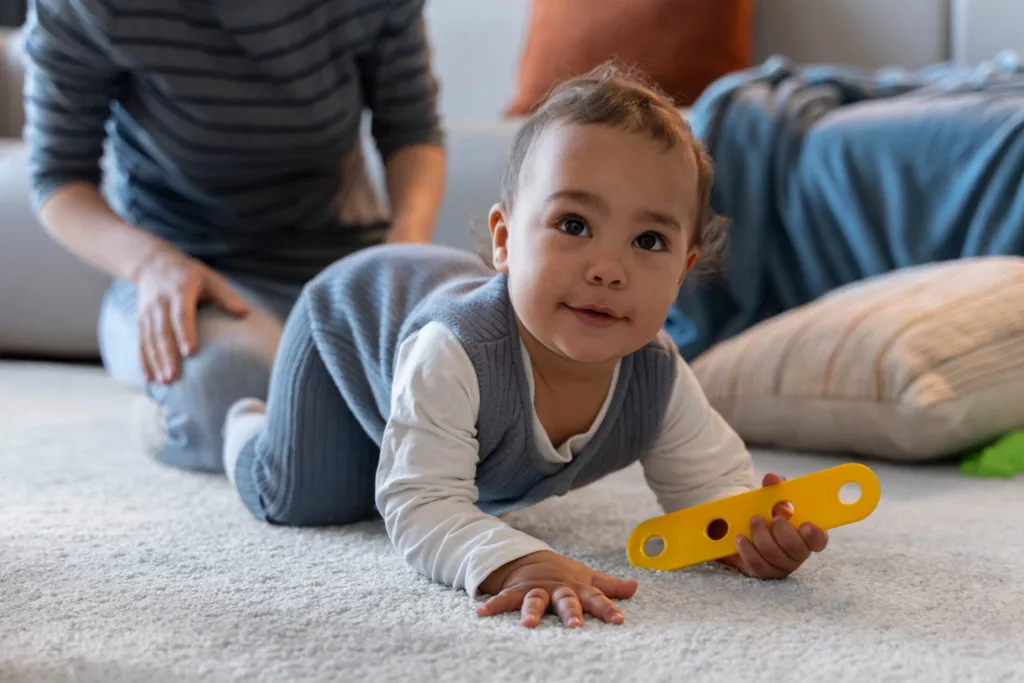
Many parents don’t realize how quickly babies become mobile, and I’ll admit, I was one of them. I thought I had time… until my little one started rolling and grabbing everything faster than I expected.
I ended up scrambling to babyproof in the moment, which is exactly why I wanted to create this checklist.
If you’re expecting your first child or preparing to welcome another little one, planning ahead can make your space safer and your days a lot less stressful. This complete baby proofing checklist walks you through every area of your home.
What is Baby Proofing?
Baby proofing means preparing your home to be as safe as possible for a curious, fast-growing little one. It involves removing or securing potential hazards, like sharp edges, loose cords, cleaning products, unstable furniture, or small items that babies might grab or put in their mouths.
A big part of baby proofing is learning to see your home from your baby’s perspective. Babies explore by touching, pulling, tasting, and crawling toward anything that catches their attention. Things that feel harmless to us, like a dangling curtain string, an open drawer, or a decorative item on a low shelf, can be risky for a baby who doesn’t know what danger is yet (1).
The goal of baby proofing is to create an environment where your baby can safely explore, learn, and grow while giving you peace of mind.
When Should You Start Baby Proofing Your Home?
Most babies start reaching for objects and becoming more mobile much earlier than parents expect. They may roll over and sit up with support by 5–6 months, and begin scooting or crawling anywhere from 6–10 months. Because these milestones arrive quickly, and sometimes suddenly, it helps to stay a step ahead.
You don’t need to wait until your baby is crawling to start baby proofing. In fact, many parents begin while pregnant or during the newborn stage, when there’s still time and energy to look around the house and make gradual adjustments. Baby proofing early can take a lot of stress off your plate later.
Once your baby becomes more active, it’s worth doing another “safety sweep” of your home. Every new skill — rolling, sitting, pivoting on their tummy, pulling up, or crawling — gives them access to places they couldn’t reach before. Rechecking your space as they grow helps you spot new hazards you might not have noticed the first time.
Think of baby proofing as an ongoing process rather than a one-time task. Your baby’s world expands quickly, and updating your home little by little keeps them safe as they discover every corner of it.
Baby Proofing the Living Room
The living room is considered one of the most important areas to baby-proof because it is where babies spend a lot of time exploring and learning. Hazards like sharp-edged tables, low shelves, and fragile decorations can pose real risks.
Here’s how to baby-proof the living room:
- Install corner guards on sharp tables and low furniture
- Add soft or padded furniture when possible
- Anchor bookshelves, TVs, and electronics
- Remove small objects from floors and low shelves
- Hide or secure cords from lamps, blinds, and devices
- Use rugs or floor cushions to create a safe play area
- Keep seating areas uncluttered for easy movement
- Supervise closely, even with safety tools in place
Baby Proofing the Kitchen
Kitchens can be surprisingly risky for little hands, especially once babies start pulling, grabbing, and opening things. Objects that seem harmless to adults, like tablecloths or cords, can quickly become dangerous in a baby’s hands.
Here’s how to baby-proof the kitchen:
- Lock cabinets and drawers with knives, cleaners, or small items
- Move hazardous objects to higher shelves
- Install stove knob covers and appliance locks
- Keep cords from appliances out of reach
- Secure hot appliances when not in use
- Store trash cans, pet bowls, and small gadgets safely
- Set up a “safe zone” during cooking
- Never leave your baby unattended while cooking
Baby Proofing the Bedroom & Nursery
The bedroom and nursery are crucial for safe sleep and play. Cribs, mattresses, and furniture that are not secured can create hazards. Items like pillows, blankets, and stuffed animals can increase the risk of suffocation.
Here’s how to baby-proof the bedroom and nursery:
- Use a firm mattress with fitted sheets only
- Keep pillows, blankets, and stuffed animals out of the crib
- Anchor dressers and shelving to the wall
- Lock drawers and remove dangling cords
- Keep floors free of small objects
- Use non-slip rugs and play mats
- Add soft lighting or nightlights for nighttime care
Baby Proofing the Bathroom
Bathrooms are considered high-risk areas because water, slippery surfaces, and chemicals can all pose hazards. Even small items like razors or hair ties can be dangerous in a baby’s hands.
Here’s how to baby-proof the bathroom:
- Lock cabinets and install toilet locks
- Use non-slip mats inside and outside the tub
- Test the bath water temperature every time
- Cover faucets and showerheads
- Store razors, hair ties, and small items out of reach
- Keep the bathroom door closed when not in use
- Never leave your baby alone in the bath
Baby Proofing the Stairs & Hallways
Stairs and hallways are recognized as high-risk areas because falls can cause serious injuries. Railings, gates, and obstacles that are overlooked can quickly become dangerous.
Here’s how to baby-proof the stairs and hallways:
- Install safety gates at both the top and bottom of the stairs
- Check railings for loose or wide gaps
- Keep hallways free of clutter and toys
- Remove or secure loose rugs
- Add nightlights or motion-sensor lights
- Pad sharp furniture edges near stairways
- Always supervise near stairs
Baby Proofing Backyard & Garage
Backyards and garages may seem safe, but they can hide many hazards. Pools, garden tools, chemicals, and unsecured fences all pose risks for a curious baby.
Here’s how to baby-proof the backyard and garage:
- Fence your yard and secure gates
- Lock away chemicals, tools, and equipment
- Store sharp garden items safely
- Check the yard for sharp objects or uneven ground
- Keep pools fully secured with gates or covers
- Supervise outdoor play at all times
Safety Routines for New Moms and Dads
Once your home is baby-proofed, the next step is keeping everything safe day after day. Babies grow fast, reach higher, and explore more each week, so a quick daily routine helps you stay ahead of new risks.
These simple checks take only a few minutes:
- Before playtime, pick up small objects, secure cords and corner guards, and ensure the play area and toys are safe for crawling or walking.
- If you and your baby are in the kitchen, make sure cabinet and drawer locks are latched, keep knives, cleaners, and hot appliances out of reach, and set up a safe zone for your baby.
- During bath and bedtime, test bath water, keep mats dry and non-slip, ensure the crib is clear of blankets and toys, and check furniture and cords are secure.
- When leaving rooms or going outside, close and latch gates, clear hallways of clutter, secure rugs, check railings and lights, and supervise outdoor areas.
- Other general daily habits include keeping floors clutter-free, always supervising your baby, and quickly checking gates, locks, and padding.
The Takeaway
The tips shared in this checklist may feel overwhelming at first. After all, baby proofing takes time, attention, and sometimes a bit of trial and error.
That’s exactly why it’s better to start early, ideally before your little one becomes mobile, and to tackle it together with your partner.
Remember, safety is the most important gift you can give your child. You’ll thank yourself later for the time and effort you put in today. And if you’re ever unsure about a particular safety measure or want more ideas, don’t hesitate to talk to your child’s pediatrician.


